UGC vs Influencer Marketing: Which Should Your Brand Use?
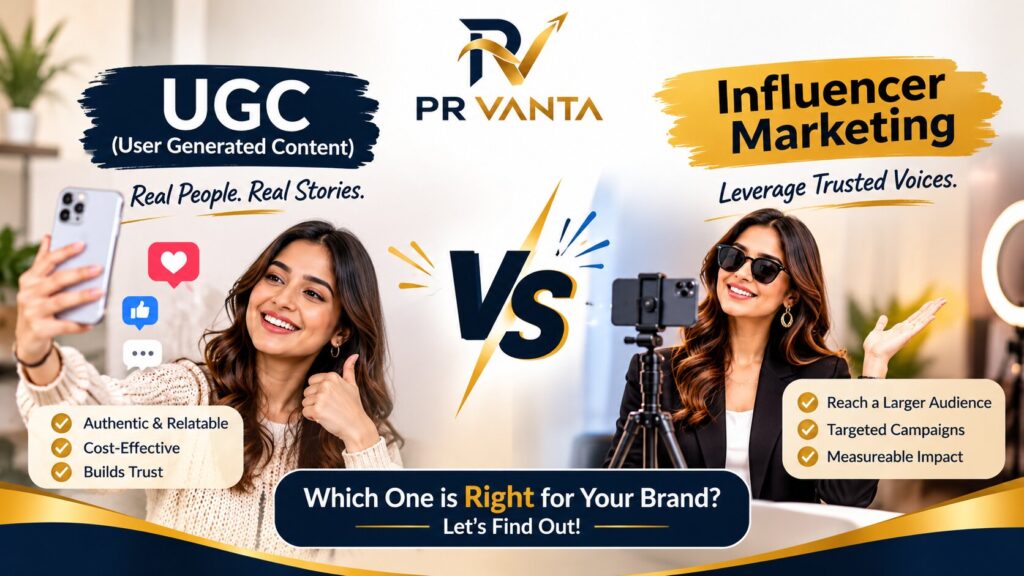
The UGC vs influencer marketing question comes up in almost every D2C planning meeting in India, usually when the performance team needs fresh ad creatives and the brand team wants more reach. Both involve paying creators to make content, so they often get lumped together. But they solve different problems, are priced differently and come with different rights. Mixing them up leads to the wrong brief and the wrong creator.
This guide explains what each one is, compares them side by side, shows when to use each, and walks through how D2C brands combine them. It ends with a short UGC brief checklist and the mistakes that cost brands the most.
What Is UGC?
UGC stands for user generated content. Originally, it meant content real customers posted on their own, such as a review video or an unboxing photo. Today, most brands also use the term for paid UGC: content made by a creator for the brand to use on its own channels.
The key difference is where the content lives. A UGC creator usually does not post the video to their own followers. They deliver the files to you, and you use them in Meta and YouTube ads, on product pages, in marketplace listings, in emails and on your brand’s own Instagram. You are paying for the content and the right to use it, not for access to an audience.
So UGC creators are chosen for how well they create, not their follower count. A good one holds attention in the first few seconds, speaks naturally to camera and delivers several variations for testing.
What Is Influencer Marketing?
Influencer marketing is when a creator posts content about your brand to their own audience. You are paying for the content and, more importantly, for the trust and attention the creator has built with their followers. A skincare Reel from a creator whose audience already asks them for product advice carries a recommendation that a brand ad cannot fully copy.
Here the audience is the main asset, so selection depends on audience fit: where followers live, what language they speak, how they engage and whether they match your buyer. Many brands get better results from nano and micro influencer campaigns than from one large name, because smaller creators often have closer, more engaged communities.
Influencer posts also carry stricter disclosure needs. Any paid, gifted or barter collaboration must be clearly labelled under ASCI’s influencer advertising guidelines, for example with the platform’s paid partnership label or a clear tag such as #ad. Rules get updated, so check the current guidelines before each campaign.
UGC vs Influencer Marketing: A Side by Side Comparison
Here is how the two approaches differ on the points that matter when you plan a budget.
| Factor | UGC creators | Influencer marketing |
|---|---|---|
| Main goal | Ad creatives and content for brand channels | Awareness, trust and consideration with a new audience |
| Where it is posted | Your ads, website, marketplace listings and brand handles | The creator’s own profile |
| Reach | Comes from your ad spend and your channels | Comes from the creator’s followers, plus any boosting |
| Cost drivers | Number of videos, variations, editing, raw footage and usage rights | Audience size and quality, platform, format, deliverables, exclusivity and usage rights |
| Rights | Usage rights are central and must be agreed in writing | Post stays on the creator’s profile; reuse in ads needs a separate written agreement |
| Best formats | Testimonials, unboxings, problem and solution videos, demos, hook variations | Reels, YouTube integrations, Stories, reviews, tutorials and lifestyle content |
| When to use | You need many tested creatives for performance ads | You need new people to discover and trust the brand |
For a fuller picture of what drives creator fees, read our influencer marketing cost guide for India.
When to Use UGC
UGC works best when you already reach people through paid social or your own channels and need more creative to feed them.
- Your ads are fatiguing: the same creatives have run for weeks and results are slipping. UGC gives you new faces, hooks and angles to test.
- Your product pages look flat: real people using the product on a marketplace listing or website can answer questions that studio photos cannot.
- You need language versions: creators who speak Hindi, Tamil, Telugu or Marathi can make versions of the same script for regional ad sets.
- You want to test before you scale: several short videos with different opening lines let your performance team find what works before spending big.
When to Use Influencer Marketing
Influencer marketing works best when the problem is that not enough of the right people know or trust your brand.
- Launching a new brand or product: creators introduce you to audiences who would scroll past an unknown brand’s ad.
- Entering a new city or region: local creators who speak the audience’s language build familiarity faster. Our regional influencer marketing team plans campaigns around this.
- Building social proof: many relevant creators talking about a product at once makes it feel widely used.
- Categories built on trust: skincare, finance, health and baby products benefit from a creator’s personal recommendation.
Not sure which mix fits your goal and budget? Share your brief and get a free campaign proposal with a recommended creator plan.
Planning a campaign? Tell us your goal and budget, and we will send a free influencer campaign plan with suggested creators and costs. Get a free proposal →
How D2C Brands Combine UGC and Influencer Marketing
For most D2C and e-commerce brands, the choice is not either or. The strongest approach uses influencer posts to find out what works with real audiences, then turns the best content into ads.
- Creators post to their audiences. Run an influencer campaign with a group of well-matched creators, often a mix of nano and micro creators. You can start with influencer seeding to see who responds well to the product.
- Read the organic signals. Look at which posts drew saves, shares, purchase questions in the comments and clicks on tracked links.
- Reuse the winners as ads. Run the best performing posts as partnership ads or edit them into ad creatives, with usage rights agreed in writing.
- Fill the gaps with UGC. Commission UGC creators for the angles and variations the influencer content did not cover, such as more hooks, a specific objection or a language version.
- Measure both together. Track organic reach and engagement from creator posts alongside ad results from reused content. Our guide to measuring influencer marketing ROI covers how.
The step brands skip most often is rights. Agree on them before the post goes live, not after it has performed well.
A Short UGC Brief Checklist
Keep the brief short and clear enough that the creator does not have to guess. Include:
- Objective and placement: where the video will run, such as feed ads, Stories ads or a product page, and in which aspect ratio.
- Audience: who the buyer is and the problem they are trying to solve.
- Key messages: two or three points at most, plus any claims the creator must not make.
- Hooks: a few opening lines to try, with freedom for the creator to suggest their own.
- Must shows: the product, packaging, a demo or a result, shown clearly on screen.
- Deliverables: number of videos, length, variations, raw footage and captions.
- Usage rights: duration, platforms and whether paid usage is included, agreed in writing.
- Review process: how many revision rounds and the timeline for approvals.
Mistakes to Avoid
- Treating UGC like an influencer post: choosing UGC creators on follower count when what you need is on-camera skill.
- Expecting reach from UGC: UGC does not bring an audience. Without ad spend or your own channels, nobody sees it.
- Vague usage rights: using content in ads without a written agreement on duration, platforms and paid usage.
- Over-scripting: a word for word script makes creator content sound like a TV ad, which defeats the point.
- Skipping disclosure: influencer posts that are paid, gifted or barter must be clearly labelled.
- Judging on one video: creative testing needs several variations. One video that fails does not mean the format failed.
- No tracking: without unique links, codes and ad tagging, you cannot tell which creator or creative drove results.
Frequently Asked Questions
Is UGC cheaper than influencer marketing?
Not always. UGC needs ad spend to reach anyone, so compare the full cost of each approach, not just the creator fee.
Do UGC creators need a large following?
No. UGC creators are chosen for their ability to make content that performs in ads. Follower count matters far less than delivery, clarity on camera and range of ideas.
Can I run influencer content as ads?
Yes, if you agree on usage rights in writing first. The agreement should cover how long you can use the content, on which platforms, whether paid usage is included and whether you can edit it.
Does UGC need ASCI disclosure?
When content is posted to a creator’s own audience as a paid, gifted or barter collaboration, it should be clearly disclosed under ASCI’s guidelines. For UGC run as ads from your own brand account, the rules can apply differently, and they get updated, so check current ASCI guidance or take advice for your case.
Which should a new D2C brand start with?
If few people know the brand, start with influencer marketing to build awareness and trust, then reuse the best content as ads. If you already have steady ad spend and need more creatives, UGC may be the faster win.
Need UGC for your ads or website? See our UGC content creation service.
Plan Your UGC and Influencer Mix With PR Vanta
PR Vanta plans influencer campaigns that are built to feed your ads as well as reach new audiences. We match brands with nano, micro, macro and regional creators from a network of 5,000+ creators across 45+ cities, based on audience fit and engagement quality, not follower count. A dedicated campaign manager handles briefs, usage rights and ASCI-compliant disclosure, you approve content before it goes live, pricing is transparent, and you get reports on reach, engagement and ROI. Explore our influencer marketing services.
Tell us your goal, category and budget, and we will suggest the right mix of creators and content. Get a free campaign proposal.
Are you a creator? Join the PR Vanta creator network to get brand collaborations, product seeding and event invites. Register as a creator →
Get a free influencer campaign plan
Share a few details and we will reply within one working day with suggested creators, formats and a budget. No obligation.